
Adelie Penguin
Scientific name: Pygoscelis adeliae
Size: 5.4 kg (m), 4.7 kg (f)
Nest type: in colonies in the open, use stones to line nest
Favourite food: krill
No penguin, indeed no other bird, breeds further south than Adelie Penguins. Adelie Penguins show a number of specialised adaptations to the cold often encountered by this species that restrict heat loss.
 Identification:
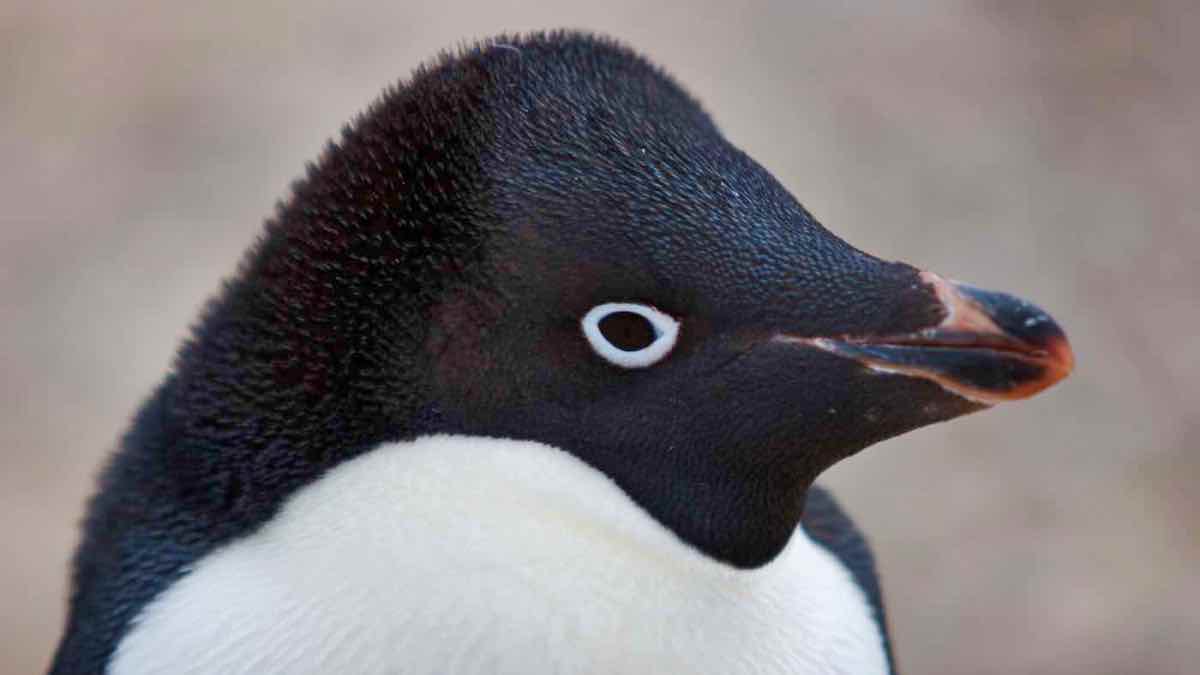
A medium-sized penguin recognised by its white eye-ring. Feathers on the back of the head are slightly elongated and can be raised to form a small crest. Light-coloured individuals occur rarely in some colonies. Immature birds up to 14 months of age differ from adults in having a white rather than black chin and they lack the white ring around their eyes.
Habits:
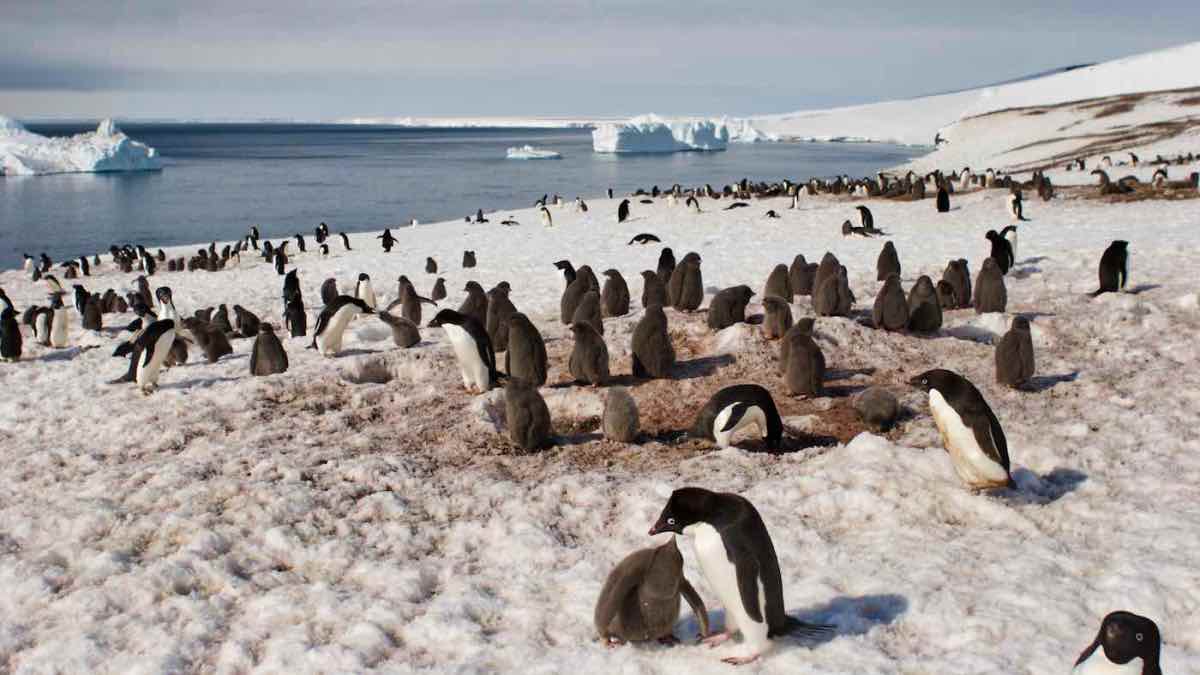
Adelie Penguins breed in colonies from a few dozen to many thousands. Within the colonies, distinct sub-colonies can be recognised. The nests, depressions on the ground, are lined with small stones, which help to keep the eggs free of any melt-water from snow. Stones for building nests are often in high demand. They are highly gregarious on land and at sea. The availability of accessible ice-free nesting habitats limits the distribution of this species in the high Antarctic.
Distribution: map
Breeds from October to February on shores around the Antarctic continent, South Shetland, South Orkney, South Sandwich, and Bouvetøya Islands. At sea Adelie Penguins are usually found from the edge of the shelf-ice to the northern extent of the pack-ice.
Migration and Vagrancy:
Adelie Penguins are migratory and after breeding do not return to their colonies until the next spring. Little is know about the non-breeding distribution of this species. There are only a few records of Adelie Penguins during the Antarctic winter. Recent work using satellite telemetry indicates that Adelie Penguins from the Ross Sea leave this area in autumn and migrate about 600 km north of the Antarctic continent. Juveniles are suspected to travel even further north than adults. Vagrant birds have been recorded as far north as South Georgia, Falkland Islands, Kerguelen, Macquarie Island, Tasmania, Heard Island, and the South Island of New Zealand.
Diet:
They are highly dependent on krill, usually Euphausia superba, although in some areas E. crystallorophias constitutes the dominant krill species. Fish and amphipods can be common in certain locations at certain seasons.
Size: 5.4 kg (m), 4.7 kg (f)
Nest type: in colonies in the open, use stones to line nest
Favourite food: krill
No penguin, indeed no other bird, breeds further south than Adelie Penguins. Adelie Penguins show a number of specialised adaptations to the cold often encountered by this species that restrict heat loss.
A medium-sized penguin recognised by its white eye-ring. Feathers on the back of the head are slightly elongated and can be raised to form a small crest. Light-coloured individuals occur rarely in some colonies. Immature birds up to 14 months of age differ from adults in having a white rather than black chin and they lack the white ring around their eyes.
Habits:
Adelie Penguins breed in colonies from a few dozen to many thousands. Within the colonies, distinct sub-colonies can be recognised. The nests, depressions on the ground, are lined with small stones, which help to keep the eggs free of any melt-water from snow. Stones for building nests are often in high demand. They are highly gregarious on land and at sea. The availability of accessible ice-free nesting habitats limits the distribution of this species in the high Antarctic.
Distribution: map
Breeds from October to February on shores around the Antarctic continent, South Shetland, South Orkney, South Sandwich, and Bouvetøya Islands. At sea Adelie Penguins are usually found from the edge of the shelf-ice to the northern extent of the pack-ice.
Migration and Vagrancy:
Adelie Penguins are migratory and after breeding do not return to their colonies until the next spring. Little is know about the non-breeding distribution of this species. There are only a few records of Adelie Penguins during the Antarctic winter. Recent work using satellite telemetry indicates that Adelie Penguins from the Ross Sea leave this area in autumn and migrate about 600 km north of the Antarctic continent. Juveniles are suspected to travel even further north than adults. Vagrant birds have been recorded as far north as South Georgia, Falkland Islands, Kerguelen, Macquarie Island, Tasmania, Heard Island, and the South Island of New Zealand.
Diet:
They are highly dependent on krill, usually Euphausia superba, although in some areas E. crystallorophias constitutes the dominant krill species. Fish and amphipods can be common in certain locations at certain seasons.
The Plight of The Penguin
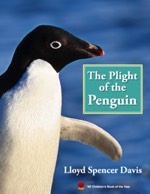
 New Zealand Children's Book of the Year
 Children's Best Nonfiction Book of the Year
Download it now at the Apple iBookstore

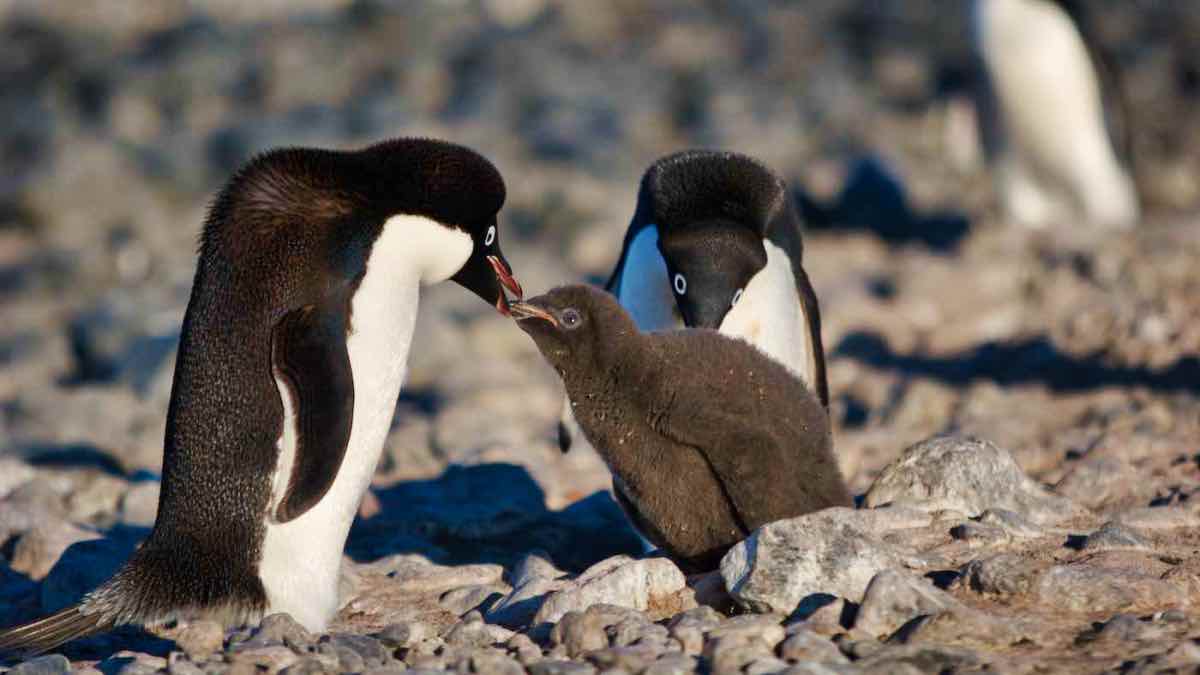
Feeding Chases
